






Summer Social Season Starts Early in Lubbock
As summer approaches in Lubbock and across West Texas, many dogs start getting more social time. Longer days and busy family schedules may mean more trips to the dog park, daycare, boarding facilities, grooming appointments, training classes, or playdates with friends. For many dogs, this can be wonderful. Socialization, exercise, and mental stimulation are all important parts of a happy, healthy life.
But group settings also come with added risks. When dogs gather in shared spaces, contagious illnesses can spread more easily, parasites can hitch a ride, heat stress can build quickly, and rough play can lead to injuries. That does not mean you need to avoid dog parks or daycare altogether. It simply means preparation matters. At Hub City Veterinary Clinic, we encourage pet owners to schedule a wellness check before summer socializing picks up, so your dog can enjoy the season with the right protection in place.
Vaccines: Your Dog’s First Line of Defense
Vaccines are one of the most important safety tools for dogs who spend time around other dogs. Even well-run dog parks and daycares cannot eliminate every risk, because some illnesses can spread before symptoms are obvious. A dog may seem healthy but still carry or spread respiratory disease.
For social dogs, your veterinarian will review core vaccines, such as rabies and distemper/parvo, along with lifestyle-based vaccines. One vaccine that often comes up before daycare, boarding, grooming, or dog park visits is Bordetella, which helps protect against a common cause of canine infectious respiratory disease, often called kennel cough. Depending on your dog’s risk, your veterinarian may also discuss vaccines such as canine influenza or leptospirosis.
Timing matters. Some facilities require vaccines to be current before entry, and some vaccines need time to provide their best protection. Waiting until the day before daycare or boarding can create stress and may not meet facility requirements. A wellness visit ahead of time gives your veterinary team a chance to update records, discuss your dog’s lifestyle, and make sure nothing is overdue.
Parasite Prevention Before Shared Spaces
Dog parks, daycare yards, and boarding facilities can increase exposure to parasites. Fleas can pass between animals or come from the environment. Ticks may be found in grassy or brushy areas. Intestinal parasites can spread through contaminated soil or feces, especially in places where many dogs use the same outdoor space. Mosquitoes, which spread heartworms, are also more active as temperatures rise.
Consistent parasite prevention is especially important in West Texas, where warm stretches can arrive early, and outdoor activity often continues through much of the year. If your dog misses doses or only receives prevention seasonally, they may be vulnerable during the very months when social activity increases.
Before summer socializing, make sure your dog is current on:
- Flea and tick prevention appropriate for their weight and health
- Heartworm prevention given on schedule
- Annual heartworm testing, if due
- Fecal testing or deworming recommendations based on risk
- Any required records for boarding, daycare, or training facilities
It is also important to use products specifically recommended for your dog. Some parasite preventives are not safe for every pet, and cat products should never be mixed with dog products unless your veterinarian specifically instructs you to do so.
Heat Safety During Play and Daycare
Summer socializing can be tiring, and heat adds another layer of risk. Dogs who are excited may not slow themselves down, even when they are getting overheated. Running, wrestling, and chasing in the sun can raise body temperature quickly, especially for flat-faced breeds, senior dogs, overweight dogs, puppies, and dogs with heart or breathing conditions.
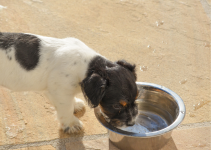
Daycare and dog park visits are safest when activity is matched to the weather. In Lubbock, midday heat can become dangerous fast, and pavement, turf, and packed dirt may hold heat. Dogs should have access to shade, fresh water, and breaks from play. If your dog tends to overdo it, shorter visits may be safer than long sessions.
Signs of heat stress include heavy panting, excessive drooling, weakness, bright red or pale gums, vomiting, wobbliness, confusion, or collapse. If you see these signs, move your dog to a cooler area immediately and contact a veterinarian. Heatstroke can become life-threatening quickly, even if a dog seemed fine only minutes earlier.
Rough Play, Sprains, and Common Injuries
Not every dog plays the same way. Some love chase games. Others wrestle, body-slam, jump, or pivot sharply. In group settings, play can escalate quickly, and even friendly dogs can accidentally injure each other. Active summer play may lead to torn nails, paw pad injuries, muscle strains, sprains, bites, or orthopedic injuries.
One concern in active dogs is a cranial cruciate ligament, or CCL, injury. This ligament helps stabilize the knee. Sudden turns, slips, or hard landings can contribute to a partial or complete tear. Dogs with CCL injuries may limp, hold one hind leg up, sit with a leg kicked out, struggle to rise, or seem sore after play.
To reduce injury risk, watch your dog’s play style and energy level. Give breaks before they are exhausted. Avoid dog parks when overcrowded or when unfamiliar dogs are playing too roughly. If your dog is shy, reactive, senior, recovering from an injury, or has arthritis, daycare or dog park play may need to be modified, or replaced with safer enrichment options.
When to Schedule a Wellness Check
A pre-summer wellness check is a smart idea if your dog will be around other dogs more often. At Hub City Veterinary Clinic, we can review vaccine status, parasite prevention, heartworm testing, weight, mobility, and any health concerns that may affect your dog’s safety in social settings.
This visit is especially helpful if your dog is new to daycare, has not been examined recently, is coughing, has diarrhea, is itching, is limping, or has a history of anxiety or reactivity. It is always better to address concerns before your dog is in a busy group environment.
Your veterinarian can also help you decide what kind of social activity is best for your dog. Some dogs thrive in daycare. Some prefer structured walks or small playgroups. Others need quieter exercise because of age, health, or temperament. The goal is not just more activity, it is the right activity.
Help Your Dog Socialize Safely This Summer
Dog parks and daycare can be great ways for dogs to burn energy, build confidence, and enjoy companionship. With the right preparation, they can also be much safer. Vaccines, parasite prevention, heat awareness, injury prevention, and routine wellness care all work together to protect your dog before summer social calendars fill up. If your dog is heading to daycare, boarding, grooming, training, or the dog park this summer, Hub City Veterinary Clinic is here to help. We proudly care for dogs throughout Lubbock and West Texas, and we can make sure your pet is protected, comfortable, and ready for safe social fun. Call us today to schedule a wellness check before your dog’s summer adventures begin.