




Start Strong in the New Year
January is often when families in Lubbock and across West Texas reset routines, new walking schedules, new training goals, and new plans to keep pets healthy for the year ahead. If you have a growing puppy or an athletic, high-energy dog, this is also an ideal time to think about something many pet parents don’t learn about until a limp appears: hip health.
Hip dysplasia is one of the most common orthopedic concerns in dogs, and it can affect comfort, performance, and long-term mobility. The challenge is that early changes aren’t always obvious at home. That’s where PennHIP screening can be a game-changer. At Hub City Veterinary Clinic, PennHIP testing helps us evaluate hip laxity (how loose a hip joint is) before significant arthritis develops, so we can guide you with a plan that protects your dog’s future.
Why Hip Dysplasia Can Sneak Up on Dogs
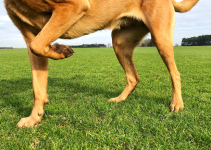
Hip dysplasia occurs when the hip joint doesn’t form as tightly as it should. Over time, that looseness can lead to abnormal wear, inflammation, and arthritis. Some dogs show signs early, bunny-hopping, stiffness after rest, or reluctance to jump, but many keep playing through discomfort until the joint changes become advanced.
In a place like West Texas, where dogs often lead active lives, running in the yard, accompanying families on outdoor adventures, or training for sports, healthy hips matter. The earlier we identify risk, the more options we have. Early detection doesn’t automatically mean surgery or a scary diagnosis; it simply gives us better information. And with better information, we can make smarter choices about exercise, conditioning, weight management, and (when needed) medical or surgical planning.
What PennHIP Is and Why It’s Different
PennHIP stands for the University of Pennsylvania Hip Improvement Program. It’s a specialized screening method that measures hip joint laxity using a specific set of radiographs (X-rays) taken with precise positioning. The key value of PennHIP is that it quantifies a dog’s risk for developing hip arthritis in the future based on how loose the joint is, often earlier than traditional hip evaluations.
Instead of waiting until the hips already show arthritic changes, PennHIP focuses on identifying risk before that damage occurs. The results include a measurement called a distraction index (DI), which helps estimate how likely a dog is to develop degenerative joint disease over time. That measurement is compared to other dogs of the same breed, which can be especially helpful if you’re raising a puppy with big athletic goals.
For many families, the biggest relief is clarity. When you know where your dog stands, you can stop guessing and start planning. That might mean building a joint-friendly fitness routine, adjusting training intensity, or simply feeling reassured that your dog’s hips look stable.
Which Dogs Benefit Most and When to Test
PennHIP can be performed in young dogs, which is one reason it’s so useful. While every pet is different, early screening is often recommended for dogs that are more likely to be affected by hip dysplasia or whose lifestyle puts extra demands on their joints.
PennHIP may be especially worth discussing if your dog is:
- A large or giant breed (or expected to grow into one)
- Very active (sports, hiking, running, working, agility, etc.)
- Showing subtle signs like stiffness, uneven gait, or “bunny hopping”
- From a breed or family line where hip dysplasia is a known concern
- A potential breeding dog, where objective hip data matters
Even if your dog seems perfectly comfortable, early screening can be a proactive step, similar to getting baseline bloodwork for a healthy adult pet. If your dog is still growing, timing matters because the goal is to identify risk early enough to influence the path forward.
What to Expect at the Appointment
Because PennHIP requires precise positioning and muscle relaxation for accurate imaging, pets typically need sedation or short-acting anesthesia. That may sound intimidating at first, but it’s done for a good reason: your dog’s comfort and safety, plus the accuracy of the results. The process itself is quick, and most dogs go home the same day.
At Hub City Veterinary Clinic, we’ll walk you through the plan ahead of time so you know exactly what to expect. We’ll also review your dog’s overall health first to make sure sedation is appropriate. After the images are taken, they’re submitted for PennHIP evaluation. Once the results are available, we’ll discuss what they mean in plain language and what, if anything, you should change going forward.
If your dog’s hips show increased laxity, that doesn’t mean you’ve “failed” or that your dog is destined for a painful future. It simply means we should be intentional. Depending on the results, recommendations may include maintaining a lean body condition, building strength with low-impact exercise, adjusting repetitive high-impact activities, or exploring joint-supportive supplements or medications when appropriate. In some cases, early surgical options may be discussed, but that’s never a one-size-fits-all decision. The point is to protect comfort and mobility long-term.
A Confident Plan for a Stronger Future
Hip dysplasia can feel like a heavy topic, especially when you’re just trying to enjoy your dog’s puppy stage or keep an active companion thriving. But knowledge is power, and early screening is one of the most practical ways to support your dog’s long-term mobility. January is a great time to take that step because it sets the tone for a year of proactive, thoughtful care. If you’re curious whether PennHIP is right for your dog, the team at Hub City Veterinary Clinic is here to help. We’re happy to talk through your dog’s breed, age, activity level, and any movement concerns you’ve noticed, whether you’re in Lubbock or anywhere in the surrounding West Texas area. Call us today to schedule a consultation and learn more about PennHIP screening, so your dog can keep moving comfortably for years to come.