







It’s March in Lubbock, And Allergy Season Doesn’t Wait
If your dog is scratching nonstop or your cat keeps dealing with ear issues that seem to come back again and again, you’re not alone. In Lubbock and throughout West Texas, we often see “spring” allergy flare-ups start earlier than people expect. Warm spells, wind, and shifting pollens can kick off itching and inflammation well before summer arrives. And because pets can’t tell us what feels different, allergy symptoms often show up as behaviors: licking, scratching, head shaking, ear rubbing, or even changes in mood.
Allergies are frustrating, for pets and for pet parents. But the good news is that you don’t have to keep guessing. With the right plan, most pets can be made significantly more comfortable. At Hub City Veterinary Clinic, we focus on identifying what’s driving the symptoms and calming the inflammation before it turns into chronic skin infections or recurring ear problems.
Why Dogs Itch, and Cats Get Ear Issues When Allergies Flare
Allergies in pets are often an “inflammation problem” first. When a dog or cat reacts to allergens in the environment, like pollens, grasses, dust mites, or molds, the immune system releases inflammatory chemicals that make the skin and ears itchy and irritated. Once the skin barrier is inflamed, it becomes easier for yeast and bacteria to overgrow, which makes everything worse.
Dogs and cats often show allergies differently. Dogs commonly itch around the paws, belly, armpits, face, and ears. Cats may show more subtle signs, like overgrooming (especially the belly and legs), scabs around the neck, or recurrent ear inflammation. Some cats don’t “scratch” dramatically; they just keep getting ear debris, head shaking, or discomfort that returns shortly after treatment.
West Texas weather can make this more noticeable. Windy days can spread allergens farther, and sudden shifts between cool mornings and warmer afternoons can keep triggers circulating. If your pet tends to flare at the same time each year, that pattern is valuable information, and it can help guide treatment.
Signs Your Pet’s Allergies Are More Than a Mild Annoyance
A little scratching now and then is normal. What’s not normal is persistent itching or recurring ear problems that disrupt your pet’s life. These signs suggest your pet needs an exam rather than another round of “try this at home” solutions:
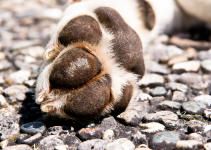
- Constant paw licking or chewing (sometimes with reddish-brown staining)
- Frequent scratching at the face, ears, belly, or back end
- Recurrent ear infections or ear odor/discharge
- Head shaking, ear rubbing, or sensitivity when the ears are touched
- Red, inflamed skin; bumps; scabs; or “hot spots”
- Hair loss or thinning from licking or overgrooming
- Restlessness, irritability, or trouble sleeping comfortably
If your dog’s ear seems painful, if there’s swelling, or if your cat is tilting their head, that’s a sign to be seen sooner rather than later. Ear infections and inflammation can progress quickly, and treating them early is often easier and more comfortable.
The Common Culprits in Lubbock and West Texas
Pet allergies usually fall into a few categories, and it’s very common for more than one factor to be present at the same time.
Environmental allergies are a big one: pollens, grasses, weeds, dust, and molds. These can be seasonal or year-round, depending on your home environment and weather patterns.
Flea allergy dermatitis is another major cause of intense itching. Even if you don’t see fleas, one bite can trigger a significant reaction in sensitive pets. March is a good time to make sure parasite prevention is consistent, because warmer stretches can bring fleas back earlier than expected.
Food allergies are less common than environmental allergies, but they do happen. Food allergies often show up as year-round itching, recurrent ear problems, or skin issues that don’t follow a clear season. The only true way to diagnose a food allergy is with a structured diet trial, which your veterinarian can guide you through.
Secondary infections (yeast or bacteria) are often what make allergy flare-ups feel suddenly “out of control.” The skin gets inflamed, the ear canals get warm and irritated, and yeast/bacteria take advantage. That’s why treating only the itch without addressing the infection often leads to repeated problems.
What Your Vet Visit Might Include
At Hub City Veterinary Clinic, our goal is to make visits for skin and ear problems feel straightforward. We start with a thorough exam and questions about what you’ve noticed: when symptoms started, what areas are affected, whether ears have been a recurring issue, and what treatments have been tried before.
Depending on what we find, we may recommend:
- Ear cytology (a quick microscope check) to confirm yeast, bacteria, or inflammation
- Skin cytology if infection is suspected
- A review of parasite prevention and flea exposure risk
- Allergy management options, including medication choices and supportive care
- Discussion of diet trials if food allergy is a possibility
These small diagnostic steps can save you time and frustration because they help us choose treatment that matches what’s actually happening, rather than guessing.
Helping Your Pet Feel Better, Now and Long-Term
The best allergy plans are usually a combination of calming inflammation, treating any infection present, and building a prevention routine that keeps flare-ups from escalating. Some pets do well with seasonal medication during their “bad months.” Others need a longer-term approach.
At-home habits can also help. Wiping paws after windy outdoor walks, bathing with vet-recommended products when appropriate, and avoiding heavily scented cleaners or air fresheners can reduce irritation for some pets. For ear-prone dogs, using only veterinarian-approved ear care is important; some over-the-counter products can worsen irritation or be unsafe if the eardrum is compromised.
Most importantly, don’t wait until the itching is extreme. Allergy inflammation tends to build up. Catching it early in March can mean fewer hot spots, fewer ear infections, and a much more comfortable spring for your pet.
Get Ahead of Allergy Season with Hub City Veterinary Clinic
If your dog won’t stop itching or your cat keeps having recurring ear issues, it’s a sign that something deeper may be going on, and it’s worth addressing before it becomes a cycle. Spring allergies in Lubbock and West Texas can start early, but with the right plan, your pet doesn’t have to suffer through it. The team at Hub City Veterinary Clinic is here to help you identify the cause, treat flare-ups effectively, and create a practical plan for long-term comfort. Call us today to schedule an appointment, and let’s help your pet enjoy spring with less scratching, less head shaking, and a lot more peace.







)