






May Brings More Movement for Lubbock Dogs
By May, many families in Lubbock and across West Texas are spending more time outside. Longer evenings, warmer mornings, and the start of summer routines often mean longer walks, backyard play, weekend trips, and more active days for dogs. After a quieter winter or early spring, it can feel great to get moving again, but for some dogs, that sudden increase in activity can also reveal hidden mobility issues.
A dog who seemed comfortable during short winter walks may start limping after a longer outing. A senior pet may struggle more with stairs after a busy weekend. An active dog may overdo it during fetch and come inside sore. At Hub City Veterinary Clinic, we encourage pet owners to think of May as a smart time for a mobility check, especially before summer adventures become part of the weekly routine.
Why More Activity Can Reveal Hidden Problems
Dogs are very good at compensating for discomfort. They may shift weight away from a sore joint, slow down only slightly, or avoid certain movements so subtly that it’s easy to miss. When activity increases, those small problems can become more obvious. More walking, running, jumping, and turning can place extra strain on joints, muscles, tendons, and ligaments.
For senior dogs, increased activity may trigger arthritis flare-ups. For younger or highly active dogs, sudden bursts of play can lead to strains, sprains, or knee injuries. One of the most common orthopedic issues in dogs is a cranial cruciate ligament, or CCL, injury. This ligament helps stabilize the knee. When it is strained or torn, dogs may develop a sudden hind-leg limp, difficulty rising, or a toe-touching gait where they barely place weight on the affected leg.
Not every limp means a serious injury, but any recurring or persistent change in movement deserves attention. Catching orthopedic concerns early can help reduce pain, prevent worsening damage, and create a safer plan for activity.
Signs Your Dog May Need a Mobility Check
A mobility issue does not always look like dramatic limping. Sometimes the earliest signs are small changes in behavior, posture, or willingness to participate in normal activities. If your dog is aging, recovering from past injuries, or starting a more active routine this May, watch for changes that suggest discomfort.
Common signs include:
- Limping, stiffness, or favoring one leg
- Difficulty getting up after resting
- Hesitating before stairs, furniture, or car rides
- Slowing down on walks or wanting to turn back sooner
- Bunny-hopping, skipping, or an uneven gait
- Swelling around a joint or sensitivity when touched
- Less interest in play, fetch, or exercise
- Irritability, restlessness, or trouble getting comfortable
These signs can be easy to dismiss as “just getting older,” but age alone is not a diagnosis. Many mobility problems can be managed, and many dogs feel noticeably better once pain and inflammation are addressed.
Arthritis, Senior Dogs, and Warm-Weather Plans
Arthritis is common in older dogs, but it can affect younger dogs too, especially those with previous injuries, hip or elbow dysplasia, or a history of high-impact activity. May can be a turning point because dogs often become more active just as temperatures begin to rise. More movement can be helpful for arthritic dogs when it is controlled and consistent, but sudden, intense exercise can make soreness worse.
A senior dog may do well with shorter, more frequent walks instead of one long outing. Gentle movement helps maintain muscle tone and joint flexibility, while overexertion can lead to limping and fatigue. Weight management is also important because even a few extra pounds can increase pressure on painful joints.
Hotter weather matters too. Dogs with arthritis may already work harder to move comfortably, and heat can add stress. Choosing cooler times of day, bringing water, and allowing rest breaks can make outdoor activity safer and more enjoyable. A veterinary mobility check can help determine what level of exercise is appropriate for your dog’s age, body condition, and joint health.
Active Dogs and CCL Injury Risk
Active dogs bring a different set of concerns. Fetch, agility-style play, roughhousing, and sudden changes in direction can place major force on the knees. CCL injuries often happen during these quick movements, but they can also develop gradually over time. Some dogs have a partial tear first, with a limp that comes and goes, before the injury worsens.
If your dog limps after running, sits with one hind leg kicked out to the side, struggles to rise, or seems painful after play, it is worth scheduling an exam. Resting for a day may make a partial injury look better temporarily, but the underlying instability may still be present.
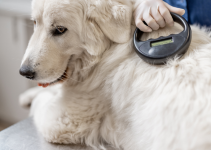
At Hub City Veterinary Clinic, an orthopedic evaluation may include a gait assessment, joint palpation, range-of-motion testing, and X-rays when needed. X-rays do not show the ligament itself, but they can help identify joint swelling, arthritis, bone changes, or other causes of pain. From there, your veterinarian can recommend a plan, which may include rest, medication, rehabilitation, weight management, or surgical consultation if a significant CCL injury is suspected.
What a Preventive Orthopedic Exam Can Do
A preventive orthopedic exam is not only for dogs who are already limping. It can also help active, senior, or at-risk dogs prepare for a busier season. During a mobility check, your veterinarian can look for early signs of pain, reduced range of motion, muscle loss, joint instability, or uneven weight-bearing.
This type of visit also gives you a chance to ask practical questions: How far should my senior dog walk? Is fetch safe for my dog’s knees? Should we use joint supplements? Would rehab help? Is my dog’s weight affecting their mobility? Should we avoid jumping into the truck or onto furniture?
Sometimes small adjustments make a big difference. Ramps, rugs for traction, lower-impact exercise, structured conditioning, and pain management can help dogs stay active while reducing strain. The goal is not to stop your dog from enjoying life; it is to help them move in a way that protects their body.
Help Your Dog Enjoy a Comfortable, Active Summer
May is a wonderful time to get outside with your dog, but it is also the right time to make sure their body is ready for more movement. Whether your pet is a senior with arthritis, an active dog who loves to run, or a younger dog showing a new limp, early attention can prevent small problems from becoming bigger ones. If your dog is slowing down, limping after play, struggling with stairs, or preparing for more outdoor adventures, the team at Hub City Veterinary Clinic is here to help. We proudly care for pets throughout Lubbock and West Texas, and we can create a mobility plan that supports comfort, strength, and long-term joint health. Call us today to schedule a mobility or orthopedic check, and let’s help your dog move into summer with confidence.