






June Heat Can Sneak Up Fast in West Texas
By June, summer is no longer “on the way” in Lubbock; it is already here. Longer days, stronger sun, and rising temperatures can make outdoor time more challenging for pets, especially in West Texas, where heat can build quickly, and shade is not always easy to find. Even a short walk, a few minutes in the car, or a backyard play session can become risky when temperatures climb.
Heatstroke is a serious, potentially life-threatening emergency for dogs and cats. It happens when a pet’s body temperature rises to a dangerous level, and they cannot cool themselves effectively. At Hub City Veterinary Clinic, we want pet owners to feel prepared before the summer heat becomes overwhelming. With a few smart adjustments, you can help your pet stay safe, hydrated, and comfortable throughout the season.
Why Dogs and Cats Overheat So Quickly
Pets do not cool down the same way people do. Dogs primarily regulate heat through panting, and they have only limited sweat glands in their paw pads. Cats may pant when severely stressed or overheated, but panting in cats is never something to ignore. Because pets rely on breathing and small amounts of evaporation to cool themselves, extreme heat can overwhelm them quickly.
Some pets are especially vulnerable, including senior pets, puppies and kittens, overweight pets, pets with heart or breathing conditions, and flat-faced breeds like Bulldogs, Pugs, Boston Terriers, Persians, and Himalayans. Thick-coated pets may also struggle more in high temperatures, especially if they are active during the hottest part of the day.
Humidity, direct sunlight, hot pavement, and poor ventilation all increase the risk. A pet may seem fine at the beginning of a walk, then suddenly become distressed once their body can no longer keep up with the heat.
Hot Cars Are Never Safe, Even for a Few Minutes
One of the most dangerous summer mistakes is leaving a pet in a parked car. Even with the windows cracked, the temperature inside a vehicle can rise rapidly. In Lubbock heat, a quick errand can become an emergency before you realize how much time has passed.
Dogs are especially at risk because many love car rides and want to come along. But unless your pet can go inside with you safely, it is usually better to leave them at home in a cool, comfortable space. Air conditioning in a running car is not a reliable safety plan either, because engines can fail, systems can shut off, or pets can accidentally interfere with controls.
Cats should also be protected from hot cars during transport. If you are bringing your cat to the vet or traveling, keep the carrier out of direct sunlight, cool the vehicle before loading them, and avoid unnecessary stops. A little planning can prevent a frightening situation.
Safer Walks, Shade, and Outdoor Time
Summer walks do not have to stop, but they do need to change. The safest times to walk are usually early morning or later evening, when the sun is lower, and the pavement has had a chance to cool. Midday walks should be avoided whenever possible, especially on asphalt, concrete, or other heat-trapping surfaces.
Before heading out, place the back of your hand on the pavement for several seconds. If it feels too hot for your hand, it is too hot for your pet’s paws. Paw pad burns are painful and can happen quickly.
For safer summer activity:
- Walk during cooler parts of the day and keep outings shorter
- Bring water and offer frequent breaks
- Choose shaded routes whenever possible
- Avoid intense fetch, running, or rough play in the heat
- Never force a tired pet to keep going
Backyard time should be supervised as well. Make sure pets have access to shade and fresh water at all times. Remember that shade shifts throughout the day, so an area that was shaded in the morning may be fully exposed by afternoon.
Hydration Matters More Than You Think
Water is one of the simplest and most important tools for preventing heat-related illness. Pets should always have access to clean, fresh water, but in summer, it helps to be extra intentional. Outdoor bowls can become hot, dirty, or empty quickly, so check them often. For pets who spend time outside, consider multiple bowls in shaded areas.
Some pets need encouragement to drink. You can try adding fresh water more frequently, using a pet fountain, offering ice cubes as a treat, or adding veterinarian-approved wet food to support hydration. Cats, in particular, may drink less than owners expect, so hydration is especially important for cats with kidney disease, urinary issues, or other chronic conditions.
If your pet is traveling, boarding, or spending more time outdoors, pack water from home and bring a portable bowl. Do not rely on lakes, puddles, pools, or unknown water sources, as these can contain bacteria, chemicals, or irritants that may make pets sick.
Early Signs of Heat Stress to Watch For
Heatstroke can progress quickly, so recognizing early warning signs matters. If your pet seems uncomfortable in the heat, take it seriously and move them to a cooler area right away.
Watch for symptoms such as:
- Heavy panting or trouble breathing
- Excessive drooling
- Bright red, dark red, or pale gums
- Weakness, wobbliness, or collapse
- Vomiting or diarrhea
- Glazed eyes or confusion
- Rapid heartbeat
- Seizures or loss of consciousness
If you suspect heatstroke, move your pet to a cool area immediately and call your veterinarian or an emergency veterinary hospital. You can begin cooling with cool, not ice-cold, water on the body, especially the paws, belly, and armpit area. Avoid ice baths, as cooling too quickly can cause additional complications. Heatstroke is always an emergency, even if your pet seems to improve after cooling.
Keep Your Pet Safe This Summer
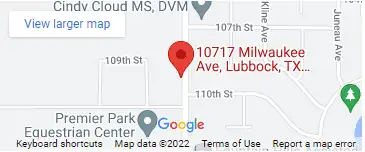
June is the perfect time to build safer habits before the hottest part of summer arrives. Avoiding hot cars, adjusting walk times, providing shade, encouraging hydration, and watching for early signs of heat stress can make a major difference for your dog or cat’s safety.If you have questions about your pet’s heat risk, breathing concerns, summer exercise routine, or hydration needs, Hub City Veterinary Clinic is here to help. We proudly care for pets throughout Lubbock and West Texas, and we can help you create a summer safety plan that fits your pet’s age, breed, health, and lifestyle. Call us today to schedule a wellness visit or discuss heat safety before summer temperatures climb even higher.