






Fireworks may be over, but your pet may still be recovering from the stress.
Around July 4th, many families in Lubbock and across West Texas celebrate with cookouts, gatherings, and loud nighttime displays. For dogs and cats, though, the holiday can feel frightening and unpredictable. Even pets who usually seem confident can panic when booms start suddenly, guests arrive, or routines change.
The days after fireworks are an important time to check in on your pet’s body and behavior. Some pets bounce back quickly. Others may hide, refuse food, develop stomach upset, injure themselves during an escape attempt, or seem unusually anxious for several days. At Hub City Veterinary Clinic, we want pet owners to know what can be normal after a scary night, and what signs mean it is time to schedule a visit.
Why Fireworks Can Affect Pets After the Noise Ends
When a pet panics, their body goes into a stress response. Their heart rate rises, breathing changes, muscles tense, and stress hormones surge. Even after the fireworks stop, it may take time for their nervous system to settle. This is why some pets seem restless, clingy, jumpy, or exhausted the next day.
Dogs may pace, pant, startle at normal sounds, or avoid going outside after dark. Cats may hide under furniture, skip meals, groom excessively, or avoid the litter box temporarily. These behaviors can be signs that your pet is still recovering emotionally.
Stress can also reveal medical problems. A pet with arthritis may be sore after trembling or trying to escape. A dog with anxiety may chew, scratch, or break a nail while panicking. A cat who hides for too long without eating may need support.
If Your Pet Escaped or Tried to Escape
One of the biggest concerns after fireworks is escape. Frightened pets may bolt through doors, jump fences, break screens, slip collars, or hide in unfamiliar places. Even if your pet came back home, it is worth checking them carefully.
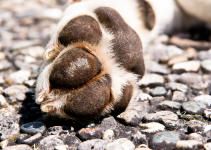
Look for limping, torn nails, scraped paw pads, cuts, swelling, eye irritation, or signs of pain when touched. Pets who ran through yards, alleys, or fields may also pick up ticks, foxtails, burrs, or debris. In West Texas, outdoor hazards can add to the risk.
If your pet was missing, offer water and a quiet place to rest once they return. Then do a gentle nose-to-tail check. If you notice wounds, weakness, coughing, vomiting, heavy panting, or unusual behavior, call your veterinarian. It is also wise to confirm that microchip and ID tag information are current in case another escape happens later in the summer.
Stress Symptoms That Deserve Attention
Some post-fireworks anxiety is expected, but symptoms should gradually improve. If your pet seems worse instead of better, or if they are not acting like themselves after a day or two, it may be more than a simple scare.
Schedule a veterinary check if you notice:
- Refusing food for more than 24 hours, especially in cats
- Vomiting, diarrhea, or repeated accidents in the house
- Limping, swelling, torn nails, or signs of injury
- Hiding, shaking, panting, or pacing that does not improve
- Coughing, trouble breathing, collapse, or extreme weakness
Stress can cause digestive upset, but vomiting or diarrhea that continues can lead to dehydration, especially in the July heat. Pain can also look like anxiety.
Helping Your Pet Feel Safe Again
After a frightening night, the goal is to help your pet feel secure and return to normal routines gradually. Keep the environment calm, reduce loud noises when possible, and provide a quiet space where your pet can rest without being disturbed. Avoid forcing them outside, out from under furniture, or into interactions before they are ready.
Helpful recovery steps include:
- Return to normal feeding, potty, and bedtime routines
- Keep pets indoors during evening fireworks that may continue after July 4th
- Use white noise, fans, or calming music to soften outside sounds
- Offer enrichment once your pet is relaxed
- Check collars, leashes, fences, gates, and window screens for escape risks
For dogs, take short leash walks and offer reassurance without pushing too much activity. For cats, keep food, water, and litter nearby if they are hiding, and give them time to emerge on their own.
When Medication or a Long-Term Anxiety Plan May Help
Some pets need more than comfort and a quiet room. If your dog or cat panicked intensely, injured themselves, escaped, destroyed doors or crates, or remained distressed for days, talk with your veterinarian about a long-term anxiety plan. Veterinary-prescribed medications can be helpful for noise phobias, but they should be chosen based on your pet’s health, age, weight, and medical history.
The best plans are made before the next event. A veterinarian may recommend a trial dose, behavior strategies, environmental changes, or a combination of approaches. At Hub City Veterinary Clinic, we can help you understand your pet’s anxiety and what options may make future fireworks, storms, or loud gatherings safer.
A Calm Check-In Can Make a Big Difference
The days after July 4th are a good time to really observe your pet. Are they eating normally? Moving comfortably? Using the litter box or going potty as usual? Sleeping peacefully? Acting like themselves? If the answer is no, they may need help recovering from the stress of the holiday.
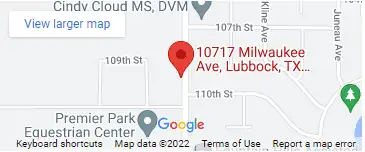
If your pet panicked, escaped, seems injured, or is still acting “off” after fireworks, Hub City Veterinary Clinic is here for you. We care for pets throughout Lubbock and West Texas with compassionate guidance. Call us to schedule a post-fireworks checkup or talk through an anxiety plan, so your pet can feel safe, supported, and comfortable again.