







Parasite Prevention for Dogs and Cats in Lubbock, TX
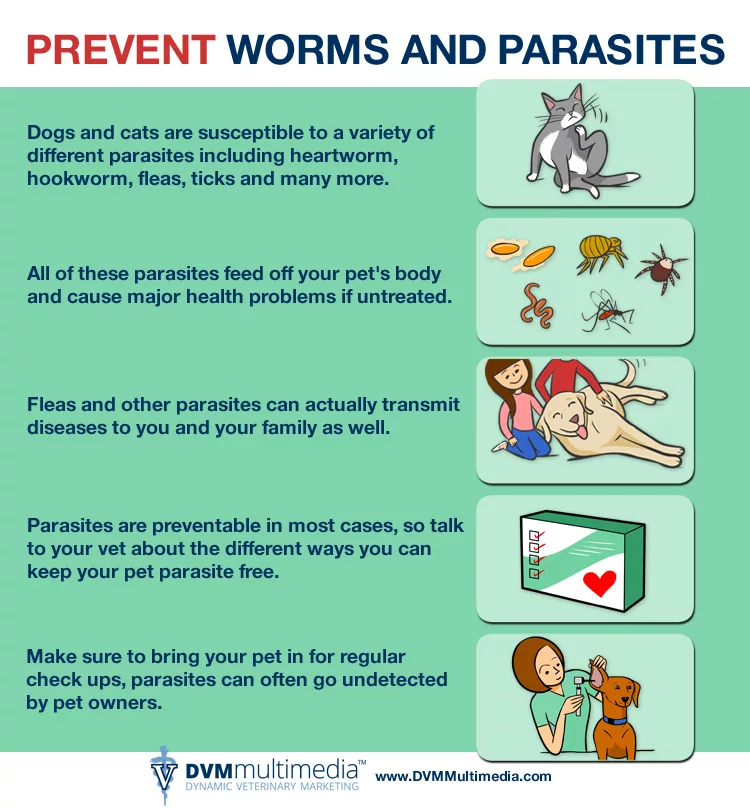
The idea of your pet being infested with parasites is an unpleasant thought, but it is also a medical issue that can have serious consequences if it is not properly prevented or treated. Parasites pose a wide range of health risks for pets, who can be especially vulnerable depending on their age, lifestyle, and where they live. Here in West Texas, warm weather, mosquitoes, and outdoor activity make year-round protection especially important.
At Hub City Veterinary Clinic, we emphasize the importance of parasite prevention for every dog and cat. With the right preventive plan, you can successfully protect your pet. Pets that are not protected often develop parasites, which can lead to serious illness for them and, in some cases, health risks for the people in your home.
Common Parasites That Affect Lubbock Pets
Our veterinarians screen for and help prevent many types of parasites, including:
- Heartworms: spread by mosquitoes, heartworms live in the heart and lungs and can cause heart failure and death. Learn more about heartworm and internal parasite prevention.
- Intestinal parasites: roundworms, hookworms, whipworms, tapeworms, Giardia, and coccidia can cause vomiting, diarrhea, weight loss, and poor growth, and some can spread to people.
- Fleas: fleas cause itching, allergic skin disease, anemia in young pets, and can transmit tapeworms.
- Ticks: ticks can transmit diseases such as ehrlichiosis, anaplasmosis, and Rocky Mountain spotted fever. See our flea and tick control page for more information.
- Ear and skin mites: mites can cause intense itching, hair loss, and ear infections.
Why Prevention Costs Less Than Treatment
The cost of prevention is minimal compared to the cost of treatment, which can be expensive, time-consuming, and stressful for your pet. Heartworm treatment, for example, requires a series of injections and weeks of strict rest, and some parasites can cause lasting damage before signs appear. A simple monthly or long-acting preventive is a far safer and more affordable choice.
During your pet’s wellness exam, our veterinarians will review your pet’s lifestyle and recommend the right combination of heartworm, flea, tick, and intestinal parasite protection. We also recommend annual heartworm testing and routine fecal screening to catch hidden infections early. These steps are a core part of our wellness and preventive care program.
To discuss the best parasite prevention plan for your pet, call Hub City Veterinary Clinic at (806) 701-5000.
Frequently Asked Questions About Parasite Prevention
Does my pet need parasite prevention all year in Lubbock?
Yes. Mosquitoes, fleas, and ticks can remain active much of the year in West Texas, so we recommend year-round heartworm, flea, and tick prevention.
Do indoor cats need parasite prevention?
Yes. Mosquitoes and fleas can easily get indoors, so even indoor-only cats can be exposed to heartworms, fleas, and intestinal parasites.
Can pet parasites spread to people?
Some parasites, including roundworms, hookworms, and Giardia, can spread from pets to people, especially children. Routine prevention protects your whole household.
How often should my pet be tested for parasites?
We recommend annual heartworm testing and at least annual fecal testing for intestinal parasites, with more frequent testing for puppies, kittens, and high-risk pets.
What are signs that my pet may have parasites?
Signs can include scratching, visible fleas, diarrhea, vomiting, weight loss, a pot-bellied appearance, coughing, and low energy, though many pets show no signs early on.
Which parasite preventive is best for my pet?
The best product depends on your pet’s species, age, weight, health, and lifestyle. Our veterinarians will recommend the safest, most effective option for your pet.
Is parasite prevention included in wellness exams?
Yes. Parasite screening and prevention planning are a standard part of every wellness exam at Hub City Veterinary Clinic.