






Cooler Mornings Can Make Joint Pain More Noticeable
October often brings cooler mornings and milder evenings to Lubbock and West Texas, which can feel like a welcome break after months of summer heat. For senior dogs and cats, though, the seasonal change may also make arthritis and joint stiffness more noticeable.
You may see your older dog hesitate before getting out of bed, take longer to warm up on a walk, or struggle with stairs they used to climb easily. Cats may stop jumping onto furniture, avoid high perches, or become less interested in play. These changes are easy to dismiss as “just getting older,” but they can be signs of chronic joint pain.
At Hub City Veterinary Clinic, we encourage pet owners to pay attention to subtle mobility changes as temperatures cool. Arthritis is common in senior pets, but discomfort does not have to be accepted as a normal part of aging. Early recognition and the right support can help older pets stay active, comfortable, and engaged in the routines they love.
Why Arthritis Can Feel Worse in Cooler Weather
Arthritis is a progressive condition that causes inflammation and changes within the joints. Over time, cartilage may wear down, joints can become less flexible, and movement may become painful. While cooler weather does not cause arthritis, some pets appear stiffer or more uncomfortable when temperatures drop.
A senior pet who spent summer moving comfortably may suddenly seem slower on chilly mornings. Muscles may feel tighter after long periods of rest, and pets with reduced activity can lose strength that normally helps support sore joints.
Changes in routine can play a role too. Shorter days may mean fewer walks, less backyard time, or more hours spent sleeping indoors. Less movement can contribute to stiffness, while sudden bursts of activity, like a long weekend hike after a quiet week, may leave an arthritic pet sore afterward.
The goal is not to stop activity. Gentle, consistent movement is often helpful. The key is finding the right balance so your pet stays strong without overworking painful joints.
Subtle Signs of Arthritis in Dogs and Cats
Pets are very good at adapting to discomfort, and arthritis does not always cause an obvious limp. Sometimes the earliest signs show up as changes in habits or personality.
Watch for:
- Difficulty getting up after sleeping or resting
- Hesitation before stairs, furniture, or getting into the car
- Slower walks or less enthusiasm for exercise
- Limping that improves after moving around
- Sleeping more or choosing easier-to-reach resting spots
- Irritability when certain areas are touched
- Reduced grooming, especially in older cats
- Accidents near the litter box because climbing inside is uncomfortable
Cats can be especially difficult to read. Instead of limping, an arthritic cat may simply stop jumping onto a favorite windowsill or begin sleeping downstairs instead of following the family upstairs. These small changes can be important clues.
If your pet’s mobility changes gradually, keeping notes or taking short videos at home can be helpful. Pets may move differently in the clinic because of excitement or adrenaline, so seeing what happens during everyday routines can give your veterinary team valuable information.
Weight, Exercise, and Home Comfort Matter
Managing arthritis is rarely about one single solution. A combination of healthy weight, appropriate exercise, environmental changes, and veterinary treatment often provides the best support.
Weight management is especially important. Extra pounds place additional stress on already painful joints and can make movement more difficult. Your veterinarian can help determine an appropriate body condition and recommend a realistic nutrition plan without leaving your pet hungry.
Consistent, low-impact exercise can also help maintain muscle strength and joint flexibility. Shorter walks several times a day may be easier on a senior dog than one long outing. Avoid sudden sprinting, repetitive jumping, or intense weekend exercise if your pet is not conditioned for it.
At home, small adjustments can make daily life more comfortable. Rugs or nonslip mats can improve traction on tile or wood floors. Ramps or pet steps can reduce jumping. A supportive bed in a warm, draft-free area may help stiff pets rest more comfortably.
For cats, consider lower-sided litter boxes and easy access to food, water, and favorite resting areas. Adding a small step near furniture can help them reach places they still enjoy without a difficult jump.
When a Veterinary Mobility Check Can Help
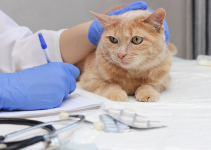
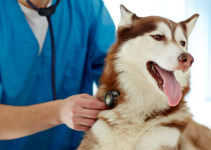
If your senior pet is slowing down, limping, or changing daily habits, a mobility check can help determine whether arthritis is the cause or whether another orthopedic or neurologic issue may be involved.
At Hub City Veterinary Clinic, we may assess how your pet walks, examine individual joints, evaluate muscle condition, and check for areas of pain or reduced range of motion. Depending on what we find, X-rays or additional diagnostics may be recommended.
Treatment plans are tailored to each pet and may include veterinarian-prescribed pain or anti-inflammatory medication, weight management, joint-supportive nutrition, supplements, rehabilitation exercises, or other therapies. Some pets benefit from several approaches working together.
Never give human pain medication unless specifically directed by a veterinarian. Common household medications can be dangerous or even toxic to dogs and cats.
Regular rechecks are also important. Arthritis changes over time, and a treatment plan that worked last year may need adjustment as your pet ages. The goal is to use the safest, most effective approach while protecting long-term comfort and quality of life.
Help Your Senior Pet Move Comfortably This Fall
Cooler weather can reveal mobility problems that were easy to overlook during summer. If your dog is taking longer to get moving, your cat has stopped jumping, or your senior pet simply seems less comfortable, those changes deserve attention.
Arthritis may be common, but pain should not be considered inevitable. With thoughtful care, many senior pets can continue enjoying walks, playtime, family routines, and favorite resting places well into their golden years.
If you have noticed stiffness, limping, difficulty with stairs, or other mobility changes, Hub City Veterinary Clinic is here to help pets throughout Lubbock and West Texas. Call us today to schedule a fall mobility check, and let’s create a comfortable, realistic plan to help your senior pet keep moving with confidence.