





Game Day Can Bring Unexpected Risks for Pets
September means football season is back, and for families throughout Lubbock and West Texas, that often means watch parties, backyard gatherings, and tables loaded with game-day favorites. Wings, burgers, nachos, dips, desserts, and cold drinks may make for a great afternoon, but they can also create plenty of opportunities for curious dogs and cats to eat something they should not.
Pets are especially good at finding dropped food, unattended plates, and overflowing trash cans while everyone is focused on the game. Unfortunately, some common football snacks can cause much more than an upset stomach. Cooked bones can injure the digestive tract, greasy foods may trigger pancreatitis, and ingredients such as chocolate, onions, garlic, grapes, and alcohol can be toxic.
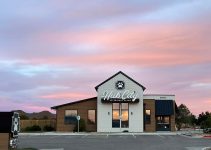
At Hub City Veterinary Clinic, we want pet owners to enjoy football season without an unexpected trip to the veterinarian. Knowing which foods to keep away from pets and securing the leftovers afterward can help make game day safer for everyone.
Wings, Cooked Bones, and Greasy Foods
Chicken wings may be a game-day staple, but the leftover bones should stay far away from pets. Cooked bones can become brittle and splinter when chewed. Sharp fragments may become lodged in the mouth or throat, damage the digestive tract, or contribute to an intestinal blockage. Bones can also fracture teeth, leading to painful dental problems.
The safest rule is simple: never give dogs or cats cooked chicken, rib, pork, or steak bones. Make sure guests know this too, since someone unfamiliar with your pet’s routine may think sharing a bone is harmless.
The fatty foods surrounding those bones can cause problems as well. Wings, sausage, bacon, burgers, cheese dips, and greasy meat scraps may trigger vomiting or diarrhea. In some dogs, a sudden fatty meal can contribute to pancreatitis, a painful inflammation of the pancreas.
Signs can include:
- Repeated vomiting or diarrhea
- Loss of appetite
- Abdominal pain or a hunched posture
- Lethargy, weakness, or dehydration
- Reluctance to move or unusual restlessness
Pancreatitis can range from mild to serious, so a pet who becomes ill after eating fatty food should be evaluated rather than simply waiting for the symptoms to pass.
Chocolate, Alcohol, Onions, Garlic, and Grapes
Some game-day foods contain ingredients that are directly toxic to pets. Chocolate is one of the best-known examples. Brownies, cookies, cakes, chocolate-covered snacks, and candy bowls can all become tempting targets. Dark chocolate and baking chocolate generally contain higher concentrations of the compounds that make chocolate dangerous, but any suspected chocolate ingestion deserves attention.
Alcohol is another hazard. Dogs may lick spilled beer, investigate unattended cups, or drink sweet cocktails. Alcohol can affect the nervous system and may cause vomiting, poor coordination, weakness, abnormal breathing, or more serious complications. Keep drinks off low tables and clean spills immediately.
Onions and garlic are frequently hidden inside dips, sauces, chili, salsa, seasoned meats, and other football foods. Both can damage a pet’s red blood cells when enough is consumed. That means sharing seasoned meat or allowing a dog to finish a bowl of dip is not worth the risk.
Grapes and raisins also need to stay off the pet menu. They can cause acute kidney injury in dogs, and it is impossible to predict exactly which dogs will become sick or how much will trigger a reaction. Fruit trays, trail mixes, baked goods, and salads may all contain them.
The Trash Can May Be the Biggest Game-Day Hazard
Sometimes the most dangerous part of the party begins after everyone finishes eating. A game-day trash bag may contain wing bones, greasy foil, food wrappers, onion-covered leftovers, dessert scraps, toothpicks, napkins, and other items that smell irresistible to a dog.
A pet who raids the trash may eat several hazards at once. In addition to toxin exposure or pancreatitis, wrappers, foil, plastic, and other non-food items can cause an intestinal obstruction. Moldy leftovers can create additional problems if trash sits outside or in a warm garage.
To make cleanup safer:
- Use a trash can with a secure lid
- Take full garbage bags outside promptly
- Keep trash behind a closed door or cabinet
- Clear plates and low tables before leaving the room
- Remind guests not to feed pets from their plates
If your pet is especially determined around food, consider setting up a comfortable room or gated area during the party. Providing their normal meal, a favorite toy, or a veterinarian-approved treat can help them enjoy game day without hovering beneath the snack table.
What to Do If Your Pet Gets Into Game-Day Food
If you discover that your pet ate something questionable, try to determine exactly what was consumed, how much, and when. Keep packaging or ingredient lists when possible, because that information can help your veterinary team decide what needs to happen next.
Do not automatically induce vomiting or give home remedies. Whether vomiting is appropriate depends on what your pet swallowed, how long ago it happened, and your pet’s overall health. Sharp objects, certain chemicals, and some medical conditions can make inducing vomiting dangerous.
Contact a veterinarian promptly if your pet ate chocolate, grapes or raisins, alcohol, a significant amount of onions or garlic, cooked bones, or another potentially harmful item. You should also call if your pet develops repeated vomiting, abdominal pain, weakness, trouble breathing, tremors, collapse, or other unusual behavior.
Early guidance can sometimes prevent a minor accident from becoming a much more serious problem.
Keep Football Season Fun and Pet-Safe
Football season should be about touchdowns, good food, and spending time with family and friends, not worrying about whether your dog found the wing bones after everyone left. A few simple precautions can dramatically reduce the risk. Keep cooked bones and fatty scraps out of reach, protect pets from chocolate and toxic ingredients, secure alcoholic drinks, and treat the trash can as seriously as the food table itself.
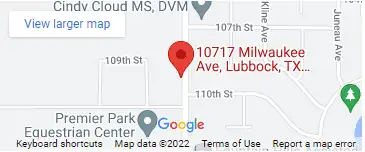
If your dog or cat gets into game-day snacks or starts acting unusual after a gathering, Hub City Veterinary Clinic is here to help families throughout Lubbock and West Texas. Call us with concerns or schedule an appointment if your pet needs evaluation. With a little preparation, you and your pet can enjoy football season safely from kickoff through the final whistle.